
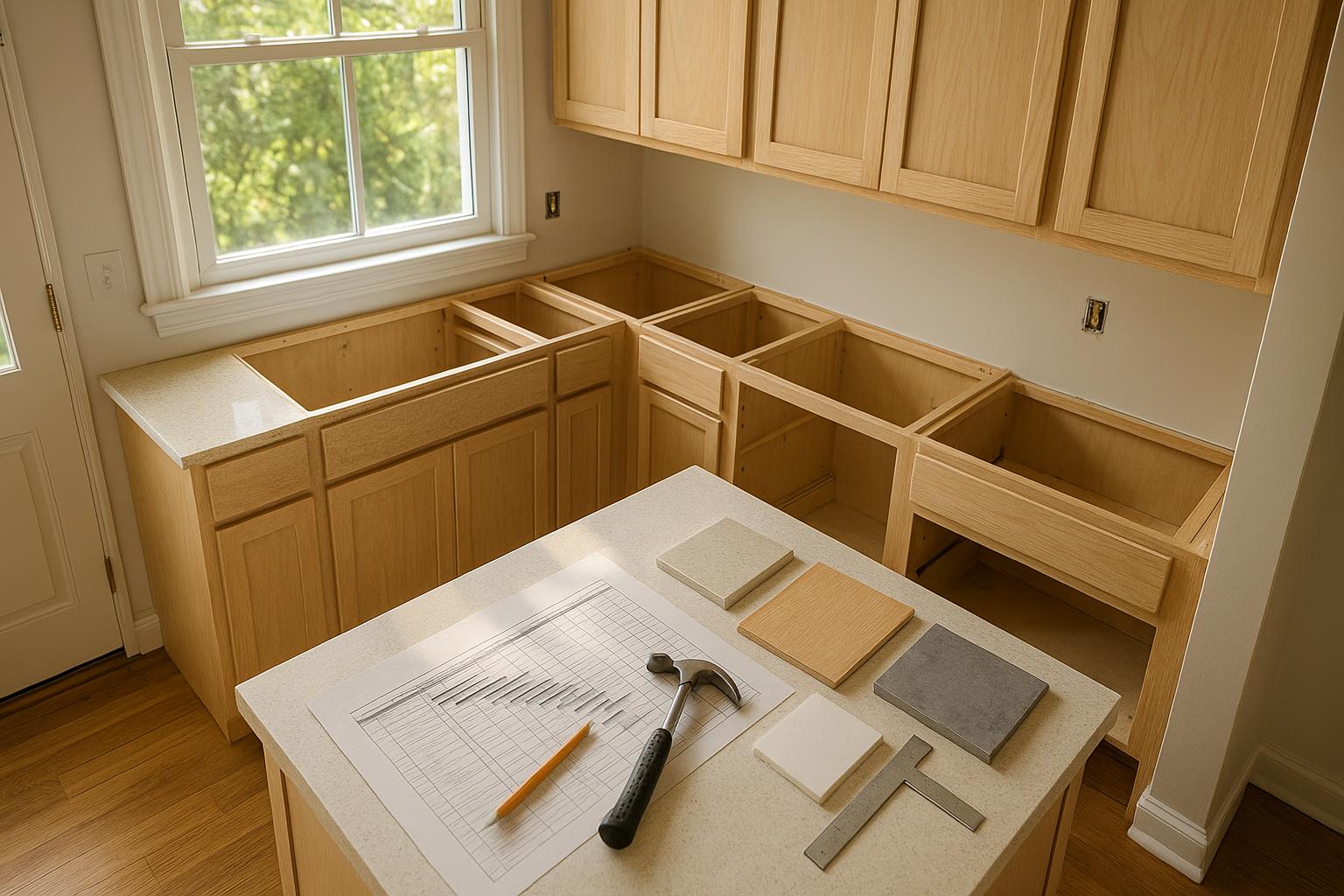
Why Most Remodel Timelines Go Off the Rails
If you've ever talked to someone who's been through a home renovation, you've probably heard the same story: "It was supposed to take eight weeks, but it ended up taking four months." Timeline overruns are one of the most frustrating parts of any remodeling project, and they're far more common than they should be.
The good news is that most delays are preventable. With the right planning, clear communication, and a realistic understanding of how renovations actually unfold, you can create a timeline that holds up from demolition day to final walkthrough. Here's what homeowners in West Palm Beach need to know before breaking ground on their next project.
Start With the Design Phase — And Don't Rush It
The single biggest mistake homeowners make is rushing through the design and planning stage to get to construction faster. It feels counterintuitive, but spending more time upfront on design decisions actually shortens your overall project timeline significantly.
During the design phase, you'll need to make decisions about:
- Layout changes and structural modifications
- Cabinetry style, finish, and configuration
- Countertop materials and edge profiles
- Flooring type and pattern
- Fixtures, hardware, and lighting
- Paint colors and finishing details
Every decision you delay or change mid-construction creates a ripple effect. A last-minute switch from quartz to natural stone, for example, can add weeks to your countertop lead time. Custom cabinetry that gets redesigned after ordering may need to be completely refabricated. The design phase is where you prevent these costly interruptions.
Understand Realistic Timeframes for Common Projects
Every remodel is different, but having a general sense of how long things take helps you set reasonable expectations. Here are some ballpark timeframes for common residential renovations:
Kitchen Remodeling
A full kitchen remodel typically takes between 8 and 14 weeks from the start of demolition to completion. This assumes that design decisions are finalized, permits are in hand, and materials have been ordered before work begins. Kitchens with custom cabinetry, structural changes, or relocated plumbing tend to land on the longer end of that range.
Bathroom Remodeling
Bathroom renovations generally run 4 to 8 weeks, depending on scope. A cosmetic refresh with new tile, vanity, and fixtures can move quickly. A full gut renovation with layout changes, new plumbing lines, and custom shower enclosures will take longer.
Flooring and Interior Finishing
Flooring installation across a typical home can take anywhere from a few days to two weeks, depending on the material and square footage. Interior painting and finishing work usually adds another week or two to the schedule.
These timeframes don't include the pre-construction phase — permitting, material ordering, and scheduling — which can add several weeks before any physical work begins.
The South Florida Factors You Need to Account For
Living in West Palm Beach means dealing with some unique variables that affect renovation timelines. Being aware of them helps you plan more accurately.
Permitting Timelines
Palm Beach County has specific permitting requirements for remodeling work, especially projects involving electrical, plumbing, or structural changes. Permit approval can take anywhere from a few days to several weeks depending on the scope and the current workload at the building department. A good contractor will submit permits early and factor approval time into the schedule.
Hurricane Season Considerations
If you're planning a remodel between June and November, it's worth discussing weather contingency plans with your contractor. While most interior renovation work isn't directly affected by storms, material deliveries can be delayed and subcontractor schedules can shift if a hurricane threatens the area.
Material Lead Times
Supply chain issues have improved since the pandemic, but certain materials — particularly custom cabinetry, imported tile, and specialty countertops — still carry extended lead times. Ordering materials early is one of the most effective ways to keep your project on schedule.
How to Protect Your Timeline Once Construction Starts
Even with perfect planning, things can come up during construction. Here are practical strategies for keeping your remodel on track:
Make Decisions Early and Stick With Them
This bears repeating because it's the number one cause of delays. Have all your materials selected, approved, and ordered before demolition begins. If you're working with a contractor who handles design, lean on their expertise to finalize selections efficiently.
Establish a Communication Routine
Weekly check-ins with your contractor — whether in person, by phone, or through a project management app — keep everyone aligned. You'll catch potential issues early and have a clear picture of what's happening each week.
Build in a Buffer
No matter how well you plan, add a 10 to 15 percent time buffer to your expected completion date. This accounts for the unexpected — a hidden plumbing issue behind a wall, a delayed inspection, or a backordered light fixture. Having that cushion built into your expectations reduces stress enormously.
Choose a Contractor Who Manages Subcontractors Well
Most remodels involve multiple trades: electricians, plumbers, tile setters, painters, and more. The general contractor's ability to coordinate these subcontractors is what determines whether your project flows smoothly or stalls between phases. Ask potential contractors how they handle scheduling and what happens when a subcontractor falls behind.
A Sample Timeline for a West Palm Beach Kitchen Remodel
To make this more concrete, here's what a well-planned kitchen remodel timeline might look like:
- Weeks 1-3: Design and Selection — Finalize layout, select all materials, and sign off on the design plan.
- Weeks 3-5: Permitting and Ordering — Submit permit applications and order cabinetry, countertops, appliances, and fixtures.
- Weeks 6-8: Material Lead Time — Wait for custom items to arrive while permits are approved. This overlap saves time.
- Week 9: Demolition and Rough Work — Remove old kitchen, update plumbing and electrical as needed.
- Weeks 10-11: Installation Begins — Cabinets are installed, followed by countertop templating and fabrication.
- Weeks 12-13: Countertops, Backsplash, and Fixtures — Finishing trades complete their work.
- Week 14: Final Details and Walkthrough — Touch-up painting, hardware installation, final cleaning, and inspection.
This 14-week timeline is realistic for a mid-to-large kitchen project. Simpler renovations can move faster, and more complex projects may take longer.
The Bottom Line
A successful remodel timeline isn't about rushing — it's about sequencing every step correctly so there's no wasted time between phases. When design decisions are locked in, materials are ordered early, and your contractor has a clear plan for coordinating every trade, the project moves forward with purpose.
At Sierra Building Contractors, we walk our clients through every phase of the timeline before work begins, so there are no surprises along the way. If you're considering a kitchen remodel, bathroom renovation, or any interior transformation in West Palm Beach or the surrounding communities, we'd love to help you build a plan that works — and a timeline you can count on.